.jpg "BP Energy Outlook 2035 - Video")
BP Energy Outlook 2035 - Video
Posted 01/03/2015 12:00
At a time when our industry is focused on the rapid response to a dramatic fall in oil prices, it is instructive to look at events from a longer term perspective.
Today’s turbulence is a return to business-as-usual. Continuous change is the norm in our industry. The energy mix changes. The balance of demand shifts. New sources of energy emerge, such as shale gas, tight oil, ultra-deepwater oil or renewables. Economies expand and contract. Energy production and consumption are affected by disruptions, from wars to extreme weather. New policies are created to address climate change or bolster energy security.
Energy companies need to adapt, and to build strategically for the longer term we not only need to control capital and costs, but to set a clear direction.
This Outlook is therefore valuable in giving us an insight into the most likely shape of the future energy landscape and some of the most important changes expected over the next 20 years. Three key features are particularly worth noting.
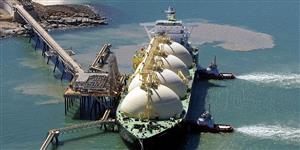
First, trade patterns are shifting. The strong growth of US tight oil in recent years has had a dramatic impact, with oil increasingly flowing from West to East rather than East to West. This is likely to continue, with strong growth in China and India driving energy demand. We also expect to see the market in gas become more global as liquefied natural gas (LNG) integrates regional markets and leads to greater congruence in global price movements.
Second, the energy mix continues to shift. Fossil fuels are projected to provide the majority of the world’s energy needs, meeting two-thirds of the increase in energy demand out to 2035. However, the mix will shift. Renewables and unconventional fossil fuels will take a larger share, along with gas, which is set to be the fastest growing fossil fuel, as well as the cleanest, meeting as much of the increase in demand as coal and oil combined. Meanwhile, coal is now expected to be the slowest growing fuel, as industrialization in emerging Asian economies slows and environmental policies around the globe tighten.
That brings us to the environmental challenge. The most likely path for carbon emissions, despite current government policies and intentions, does not appear sustainable. The projections highlight the scale of the challenge facing policy makers at this year’s UN-led discussions in Paris. No single change or policy is likely to be sufficient on its own. And identifying in advance which changes are likely to be most effective is fraught with difficulty. This underpins the importance of policy-makers taking steps that lead to a global price for carbon, which provides the right incentives for everyone to play their part.
It will be a year of debate, not only on the environment, but the economy and energy in general. We hope that this year’s BP Energy Outlook 2035 can make a useful contribution to informing the discussion and shaping a future where energy is sustainable, secure and affordable.
Source: Energy Outlook 2035
Please leave comments and feedback below